iRobot revenue drops again with ‘no sources’ of additional capital


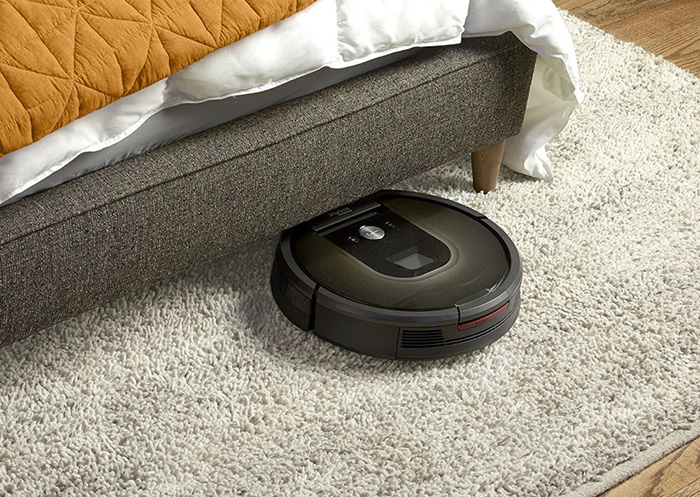
The Roomba Max 705 Combo robot. | Source: iRobot
iRobot today shared its Q3 2025 financial results. The Roomba maker brought in $145.8 million in revenue, a 24.6% drop from the $193.4 million it brought in in Q3 2024.
This continues a downward trend for the company. Last quarter, the company’s revenue was down 23.3% year over year. iRobot has struggled financially in recent years due to lower demand, increased competition, and a failed Amazon acquisition.
“Our third-quarter revenue fell well below our internal expectations due to continuing market headwinds, ongoing production delays, and unforeseen shipping disruptions,” said Gary Cohen, iRobot CEO. “This shortfall increased cash usage and pressured profitability, as we were unable to fully leverage our fixed cost base.”
As of September 27, 2025, iRobot said it had $24.8 million in cash and cash equivalents on hand, a $15.8 million drop from the $40.6 million it had at the end of June.
In the third quarter of 2025, revenue declined 33% in the U.S., declined 13% in EMEA, and declined 9% in Japan over the prior-year period. Excluding the foreign currency impact, EMEA revenue declined 14% while Japan remained flat over the prior-year period.

Revenue from mid-tier robots (with an MSRP between $300 and $499) and premium robots (with an MSRP of $500 or more) represented 74% of total robot sales in the third quarter of 2025, versus 79% from the same period last year.
And, even more dire, the company said in a Form 10-Q filing with the SEC that it “has no sources upon which it can draw for additional capital.” The report said management had “substantial doubt” about the company’s “ability to continue.”
iRobot said in the 10-Q filing that if it can’t obtain new capital in the near term, it “may be forced to significantly curtail or cease operations and would likely seek bankruptcy protection.”
How did iRobot get here?
Bedford, Mass.-based iRobot began in 1990 with the vision of making practical robots a reality. It was a pioneer in the robot vacuum space. During its three decades of operation, the company has sold more than 50 million Roombas worldwide.
Being first, however, doesn’t always mean you’re going to stay successful. As more companies have entered the market with their own robot vacuums, iRobot has struggled to keep up or diversify its portfolio. The company shelved a robot lawn mower it had been working on for nearly two decades.
In 2022, Amazon signed a proposed acquisition agreement for iRobot, which would have the commerce giant paying $1.7 billion for the company. That amount was lowered to $1.42 billion after iRobot acquired new debt, and it laid off 10% of its staff, or about 140 employees.
In early 2024, the companies terminated the agreement, citing “undue and disproportionate” regulatory scrutiny for the demise of the deal. Just three months later, longtime CEO and co-founder Colin Angle stepped down from his position. Cohen took over the role from Angle.
Since the leadership change, iRobot has gone through multiple rounds of layoffs, with the last reduction taking place in November 2024.