iRobot to enter Chapter 11 and be acquired by Chinese creditor

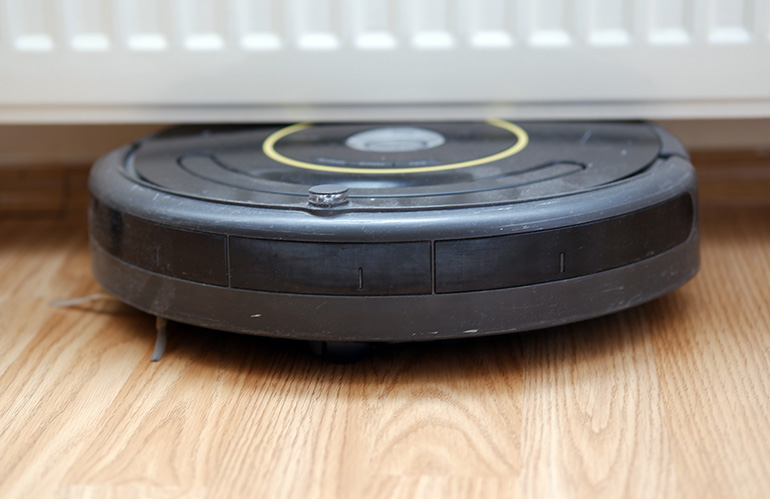
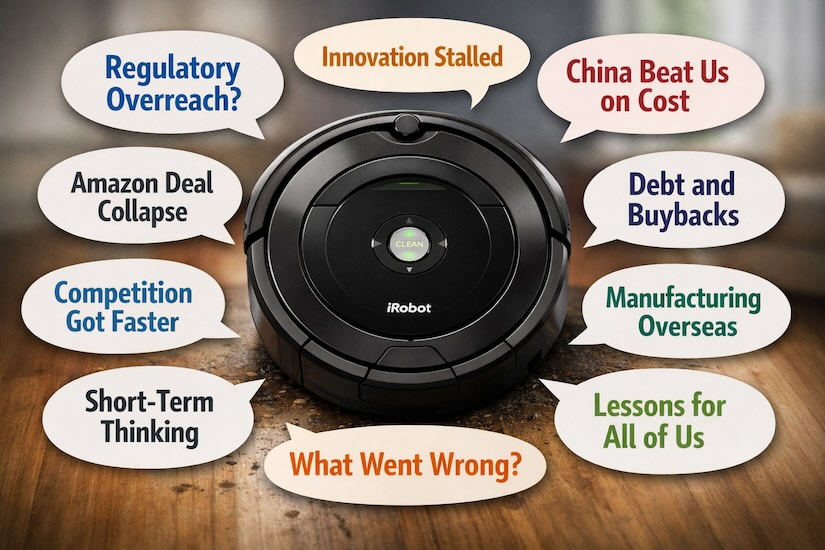
iRobot said it will continue support through bankruptcy proceedings. Credit: Adobe Stock
As expected, iRobot Corp. yesterday announced that it has entered into a restructuring support agreement with its creditor Santrum Hong Kong Co. and primary contract manufacturer Shenzhen Picea Robotics Co. The Chinese companies plan to acquire the robotic vacuum cleaner maker through a court-supervised Chapter 11 bankruptcy process.
“Today’s announcement marks a pivotal milestone in securing iRobot’s long-term future,” stated Gary Cohen, CEO of iRobot. “The transaction will strengthen our financial position and will help deliver continuity for our consumers, customers, and partners.”
“Together, we will work to continue advancing the industry-leading Roomba robots and smart home technologies that have defined the iRobot brand for more than three decades,” he added. “By combining iRobot’s innovation, consumer-driven design, and R&D with Picea’s history of innovation, manufacturing, and technical expertise, we believe iRobot will be well equipped to shape the next era of smart home robotics.”
Picea develops and manufacturers appliance motors, sensors, and robotic vacuum cleaners in China and Vietnam. The company said it has more than 7,000 employees, has made and sold more than 20 million robots, and holds over 1,300 intellectual property rights worldwide.
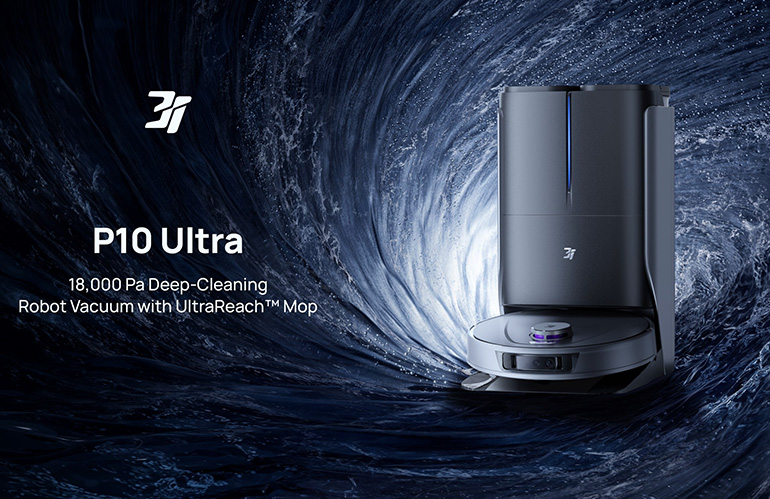
Picea manufactures its own robotic vacuum cleaners and mops. Source: Picea Robotics
Snags piled up for Roomba maker
Founded in 1990 by MIT researchers Rodney Brooks, Colin Angle, and Helen Greiner, iRobot pivoted from defense applications with the release of the Roomba robot vacuum in 2002. It was arguably the first household name in consumer robotics, selling an estimated total of more than 50 million devices.
After falling revenue due to struggles with diversifying its product line, increasing global competition, and U.S. and EU antitrust concerns scuttling a proposed Amazon acquisition, iRobot’s bankruptcy seemed inevitable. The Bedford, Mass.-based company‘s revenue continued to drop, and it had already conducted multiple rounds of layoffs.
Last month, iRobot reported to the U.S. Securities and Exchange Commission that it had failed to find another buyer and had “no sources upon which it can draw for additional capital.” At that time, Santrum, a subsidiary of Picea Robotics, took on the company’s debt, which combined with its outstanding bills to the contract manufacturer, totaled more than $350 million.

iRobot brand plans to continue support
iRobot said it and some of its affiliates plan to begin a pre-packaged Chapter 11 process in the District of Delaware Court by February 2026. Under the terms of the restructuring agreement, Picea will obtain 100% of the company’s equity, which it said will “de-lever the company’s balance sheet and enable iRobot to continue operating.”
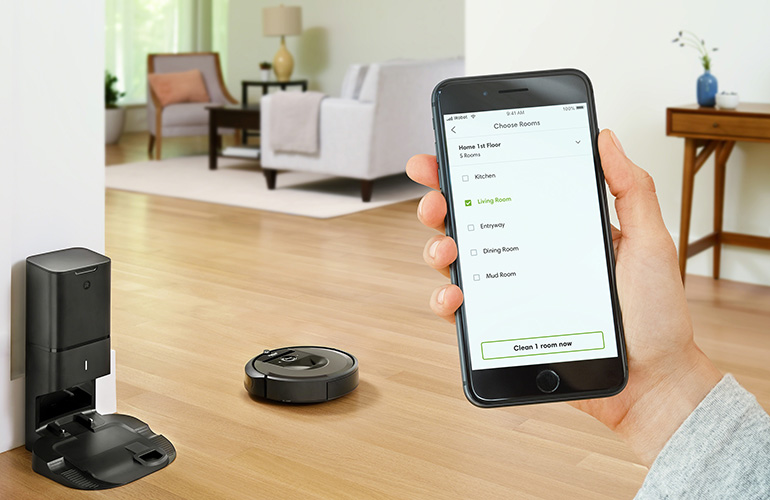
iRobot said the proceedings will enable it to continue app functionality, customer programs, global partners, supply chain relationships, and product support. It claimed that it will continue “to meet its commitments to employees and make timely payments to vendors and other creditors in full for amounts owed before, during, and after the court-supervised process.”
Once the court approves the transaction, iRobot will be a private company wholly owned by Picea, and its shares of common stock will no longer be listed on The Nasdaq Stock Market LLC or any other national stock exchange. In addition, holders of existing iRobot stock would not receive any equity, and shareholders of common stock “will experience a total loss,” said the company.
“The transaction is designed to deliver a more stable balance sheet and renewed ability to invest in its next generation of robotics, smart home innovations, and customer experience enhancements,” said Picea.
Publicly filed documents related to the bankruptcy will be available for free at the website of Stretto Inc., iRobot’s claims agent.