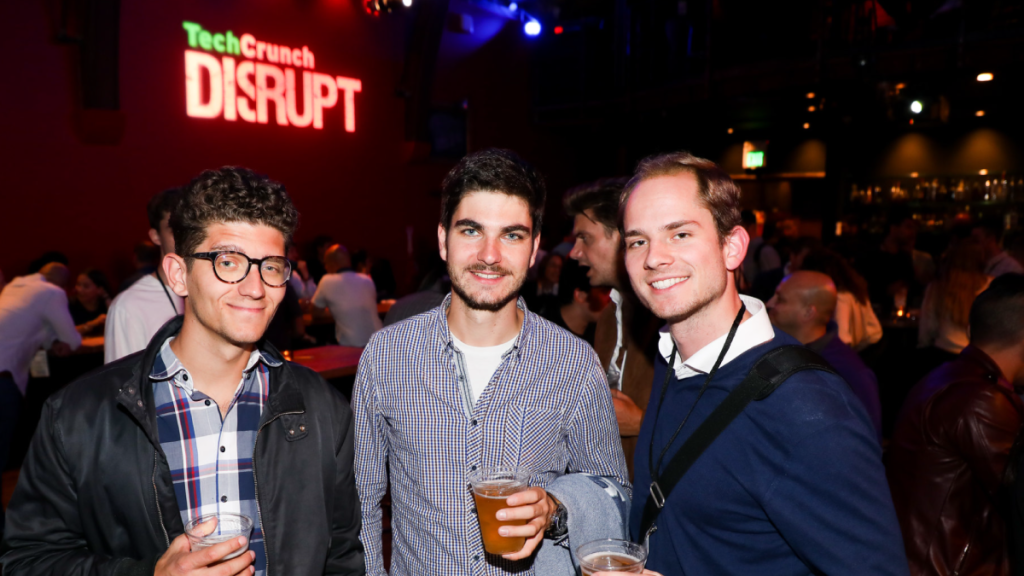
SOSV hosts virtual matchmaking to connect robotics startups & investors

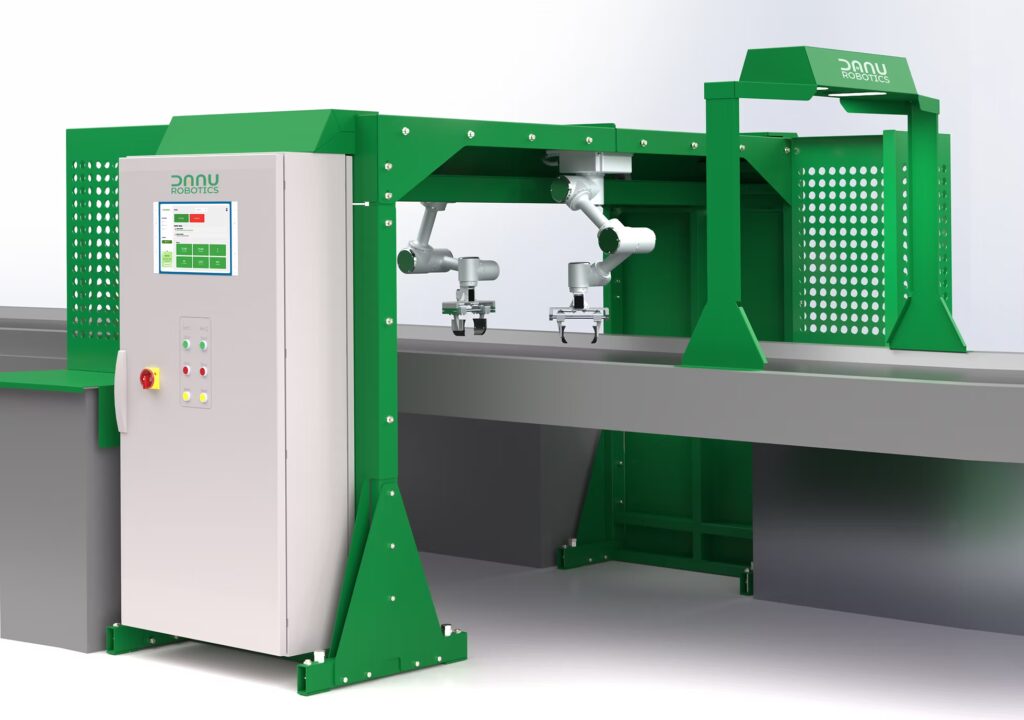
SOSV invested in Danu Robotics after meeting the startup during a matchmaking event. | Credit: Danu Robotics
SOSV, an early-stage deep-tech investor, is launching its first Robotics Matchup on Dec. 1–5. The online event is designed to connect early-stage robotics startups with investors. SOSV, which has already produced matchups in climate, health, and industrial tech, said the format offers a more efficient alternative to demo days and traditional fundraising.
The launch comes at an interesting moment for robotics funding. Investor enthusiasm has recently concentrated around humanoids and “physical AI,” while many other robotics categories face longer fundraising cycles.
Ben Joffe, senior partner at SOSV, said the goal is to democratize deal flow by matching founders building commercially-grounded systems with investors actively deploying capital.
As of press time, SOSV said more than 200 investors and 100 startups had registered for the Robotics Matchup. Data from previous matchups suggests the format is unusually effective at helping participants close deals. Among investors registered for the Robotics Matchup at press time, SOSV said 56% have participated in previous SOSV matchups, and 43% of those have invested in at least one startup they met during a matchup. Joffe said SOSV has invested in 10 companies it encountered through matchups, including Danu Robotics (waste sorting) and Namu Robotics (reforestation).
Among registered startups, 20% have participated in past matchups, and 68% of those have received funding from an investor they met there.
Weeklong virtual matchmaking
The Robotics Matchup is fully online and structured around curated 1:1 meetings. Each founder–investor meeting lasts 20 minutes. If both sides want to continue, they schedule follow-ups independently.
“It’s very difficult for founders to know who’s interested in robotics. If you look at existing databases like PitchBook and CrunchBase, you have a picture of the past, but you don’t really know who wants to invest in robotics today,” Joffe said. “Even if you find a firm name, you don’t necessarily have the name of an individual you can reach out to. This platform saves founders many, many hours of research.”
The Robot Report’s inaugural Startup Radar highlights 100 robotics startups five years or younger. The Startup Radar 2025 includes data on each company’s market focus, size, funding, products and more.
Download the Startup Radar 2025 to discover who’s building the next generation of robotics.
When signing up for the Robotics Matchup, investors define their criteria —- stage, geography, verticals, robotics categories, check size, and hardware vs. software focus — while founders provide corresponding details about their technology and traction. Founders can filter investors by sector and check size, while investors can review startups before accepting a meeting, ensuring booked conversations reflect genuine interest.
SOSV also provides a spreadsheet listing every participating investor and startup. This works as sortable databases and have become a key resource for founders, Joffe said, who can struggle to identify which funds are truly active in robotics.
“There are some great in-person events, but they tend to be a bit pricey,” Joffe said. “We didn’t find anything online that was comparable to what we wanted to do. So this is an event with no talks—just a pure networking and matchmaking platform to help founders in the categories we cover connect with potential investors.”
Navigating a difficult fundraising environment
Participation is free. Any robotics startup from pre-Seed through Series B can apply, and any qualified investor is welcome to join. According to SOSV, the open model is intentional.
“Robotics fundraising remains difficult, particularly for teams tackling complex hardware problems,” Joffe said. “Many generalist VCs lack deep experience in manufacturing, supply chain, and hardware development cycles, and promising startups often struggle to reach the right investors at the right time.”
SOSV typically invests at pre-Seed with checks up to $500,000. Joffe said the firm has long focused on democratizing the investment landscape because it needs other firms to lead the larger rounds.
“We need those other investors,” he said. “And for founders, the more information and the broader the selection of investors they can access, the better for the ecosystem.”
Joffe said SOSV is cautious about general-purpose humanoid robots, favoring robotics companies with defined customers and near-term commercialization paths.
“It’s a moment in time now – people are excited about humanoids,” he said. “But generally we’ve seen robotics companies succeed when they have a specific use case. For example, one of our portfolio companies, Neptune Robotics, recently raised a $50 million round. Their robots clean ship hulls to improve performance and reduce drag. We look for robotics companies with a very clear use case, a clear benefit for the end customer, and a clear ROI.”