Teleop, not autonomy, is the path for 1X’s Neo humanoid

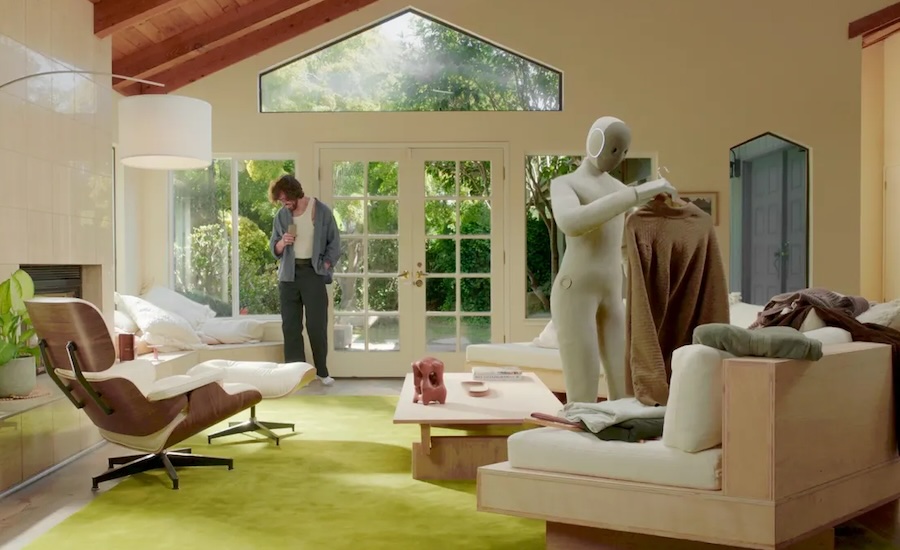
1X Technologies’ NEO humanoid is impressive. It has a sleek design and strong manipulation and teleoperation skills. However, there’s a major gap between what NEO can do today and the autonomous robot the company is promising to deliver to consumers in 2026.
I’ve yet to see a humanoid complete a household chore from start to finish. Take laundry. No one has shown a robot emptying pockets, treating stains, sorting, washing, drying, folding, and putting clothes away. There’s no demonstration of this because it can’t be done yet. Most demos are polished snippets that scripted, limited, and far from the reliability needed for daily home use.
Humanoids won’t be autonomously doing laundry, cleaning messes, or loading dishwashers anytime soon. That’s not a knock on 1X; it’s a reality check. Robots struggles in homes because they’re cluttered, unpredictable, and different from one household to the next. Adding legs only compounds the problem.
Humanoids are still finding their way in industrial settings like factories and warehouses where environments are structured and tasks repeatable. Homes are the opposite: messy, personal, and constantly changing. This is perhaps the worst possible environment for an early-stage robot.
1X’s NEO humanoid can be purchased for $20,000. | Credit: 1X
Take the teleoperation route toward full autonomy
Here’s a more realistic, and potentially transformative, path for 1X: lean into teleoperation. Position NEO not as a standalone home robot but as a platform that lets humans work remotely.
A remote maid may sound less futuristic, but it’s far more practical. Imagine a fleet of humanoids stationed in homes, hotels, or eldercare facilities, remotely operated by workers miles away. Operators would provide the brains, while the robot provides the body.
Of course, a teleoperated robot in the home raises privacy concerns. Cameras, microphones, and sensors introduce risk, even with vetted operators and encrypted data. 1X would need to be upfront about when robots are remotely controlled, protect operator anonymity, and build strong privacy safeguards into the system. Transparency would boost consumer trust.

Consumers need trust to adopt new tech
Kyle Vogt, the former Cruise co-founder now building a stealth home robot at The Bot Company, recently pointed out that consumers sometimes accept privacy tradeoffs more readily than expected. Vogt mentioned Airbnb and Uber, two services that have sparked privacy concerns since their inception, yet both are mainstream due to convenience, lower cost, and novelty. Could the same dynamic apply to home robots? Vogt seems to think so.
The opportunity for home cleaning robots is massive. One research firm estimated the global home cleaning and maid services market at roughly $386 billion in 2024. A teleoperation model could give 1X recurring revenue through subscription cleaning or care services, long before autonomy matures. More importantly, it would ensure NEO has a chance to meet customer expectations.
Teleoperation is both a business model and an autonomy pipeline. The household robot movement won’t begin with a fully autonomous helper. It should start with a remote worker embodied in a robot.
1X has the hardware and momentum. The company now needs to embrace teleoperation as not a step backward, but the best route to reliable autonomy in the distant future.