Zebra Technologies winding down Fetch-based mobile robot group

Zebra Technologies is winding down its autonomous mobile robot (AMR) division. The group was built around Zebra’s $290 million acquisition of AMR maker Fetch Robotics in 2021. The move marks a strategic retreat from the robotics push Zebra launched to expand its warehouse automation capabilities.
It’s unclear exactly how this story will end. According to multiple sources, Zebra is looking to sell its robotics division or ultimately shut it down. According to the sources, most of the robotics staff will be let go by the end of 2025.
About 25% of the staff will stay on until March 2026 to manage current deployments. Multiple former employees of Zebra’s AMR group posted yesterday on LinkedIn that they are looking for new roles.
The future of the robots in customer sites now likely appears tied to whether Zebra can sell the group to a new owner. Zebra didn’t break out the AMR group’s revenue separately in earnings reports, so it’s unclear how many robots are in the field or how much revenue the division made at Zebra.
“Zebra Technologies has decided to explore strategic options for our robotics automation business,” the company said in an emailed statement to The Robot Report. “This move will enable Zebra to further sharpen our strategic focus on digitizing and automating frontline workflows and on our investments in key growth areas. Long term, we will continue to provide solutions that empower organizations to increase productivity, optimize inventory, and better serve consumers and patients across the industries we serve.”
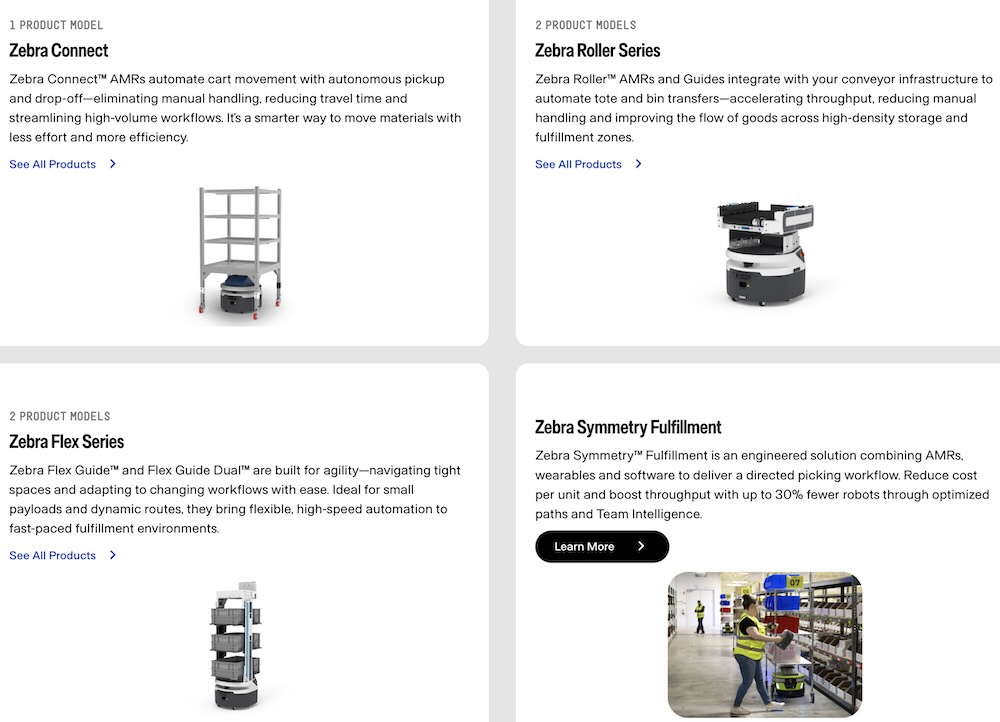
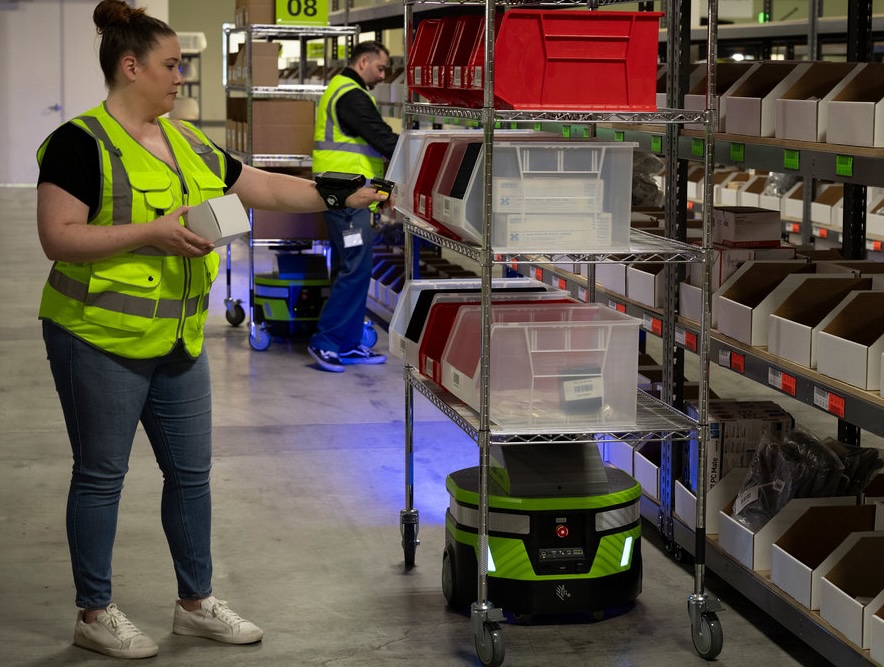
Zebra Technologies’ AMR portfolio.
Zebra Technologies had invested in new Fetch robots
Shortly after the acquisition, Fetch introduced three new AMRs and a new fulfillment software package for order or batch picking. It also introduced new robots and enhancements at MODEX 2024.
Earlier in 2025, the company launched a robot-assisted picking solution called Zebra Symmetry Fulfillment that combined AMRs with wearable technologies, software, and analytics to boost productivity and cut costs.
Less than two months ago, Zebra said that ODW Logistics was expecting a 42% improvement in pick rates due to its recent adoption of the AMRs.
While Zebra had continued investing in its mobile robotics group, one source told The Robot Report that the AMR business wasn’t scaling quickly enough for its liking. As a result, Zebra chose to refocus on its core strengths — supply chain technologies outside of robotics.
Before acquiring Fetch in 2021, Zebra Technologies already owned 5% of Fetch Robotics through an earlier investment. At time of the acquisition, Zebra said the company was generating annualized run-rate sales of approximately $10 million. Prior to this acquisition, Fetch had raised about $94 million.
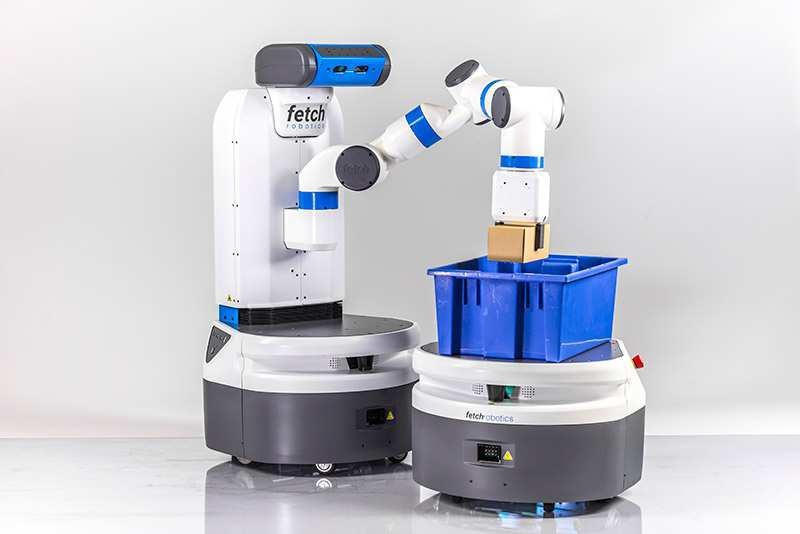
The Fetch mobile manipulator and Freight AMR base. Source: Fetch Robotics
Fetch was a mobile robot pioneer
Fetch Robotics was founded in 2014 by robotics pioneer Melonee Wise. The company developed a range of AMRs based on the open-source Robot Operating System (ROS). They were designed to move materials, assist pickers, and automate repetitive tasks in fulfillment centers.
Fetch initially built a mobile manipulator, though it ultimately served as a research and development platform. In its early years, OpenAI used the Fetch system to experiment with how machine learning could advance mobile manipulation capabilities.
Fetch gained some traction with e-commerce, third-party logistics, and manufacturing customers. Zebra Technologies acquired the AMR maker to augment its already strong portfolio of supply chain technologies.
After serving as Zebra’s vice president and general manager of robotics automation for about two years, Wise joined humanoid developer Agility Robotics as chief technology officer in May 2023. She then became Agility’s chief product officer in May 2024.
Wise left Agility in August 2025 and was recently named chief product officer for KUKA AG’s new software and AI organization in Silicon Valley.
Previously, Wise was the second employee at Willow Garage, where she led a team of engineers developing next-generation robot hardware and software, including ROS, the PR2, and TurtleBot.